
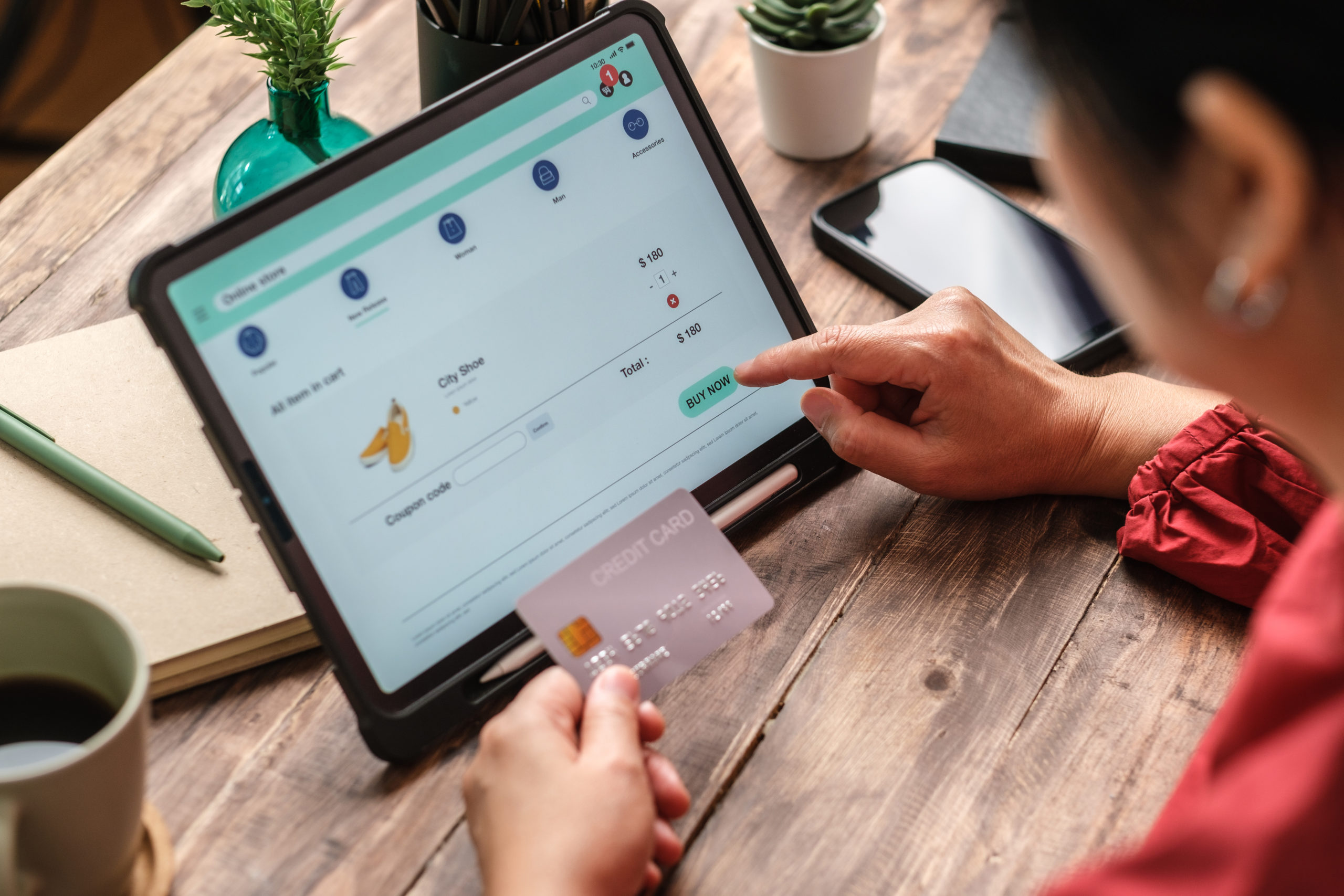
What used to be limited to physical shops is now amplified through online marketplaces. These are vast digital arenas where opportunities for trade have never been more abundant.
Listing on online marketplaces will be one of the preparations for selling a company. With their accessibility, it’s typically where acquirers first look for businesses to purchase. If you sell a business in online marketplaces with a broker, they’re also what business brokers use to showcase listings and attract serious buyers who may not be reachable through traditional channels.

A major appeal of these online selling platforms lies in their broad exposure—sellers know their business gets in front of more buyers. On top of that, deals often move faster and carry lighter fees than traditional advisory routes.
Online marketplaces for selling a business aren’t always the bare-bones, do-it-yourself setups people imagine. Some add structure to the process through the following:
These platforms are known for simultaneously offering autonomy and support. In other words:
Upgraded service options give sellers more direct assistance, the kind that’s similar to having dedicated advisors, but with the streamlined efficiency only a digital marketplace can provide.
Digital marketplaces serve as a way for sellers and buyers to connect to businesses and opportunities to go beyond the local scene. The listings will be shown to multitudes of potential buyers across various regions and industries.
When you sell your business online, you are introduced to a wide, often global, pool of interested prospects, dramatically improving the odds of connecting with a buyer who’s the perfect fit for their enterprise. The exposure creates a sense of urgency and competition among buyers. When several parties are eyeing the same in-demand opportunity, offers tend to become more attractive and negotiations can move swiftly.
Casting a wider net transforms the experience: sellers move from passively hoping for interest to actively selecting from multiple strong offers. Greater reach translates into more choices and, often, better outcomes for those looking to successfully transfer their business.
Listing with online marketplaces simply feels fast and simple. Right at this moment, you can already set and put one up, surpassing broker processes which can take days to weeks.
Conversations happen directly between buyers and sellers. This cuts down on back-and-forth, lengthy negotiations, and unnecessary paperwork.
A quick search online will give you various platforms based on the following:
This section is an overview of the primary types of online marketplaces for buying and selling companies, along with their characteristics and examples.
General business for sale online marketplaces accept listings from a broader range of business sizes and types. In other words, you will see a variety: from small businesses to mid-size companies, as well as brick-and-mortar and ecommerce stores. Examples include
Both examples cater to a wide audience with high traffic and extensive listings.
Niche marketplaces, on the other hand, specialize in specific sectors such as the following:
Examples include Empire Flippers (digital businesses) and Acquire.com (profitable online companies).
BizBuySell. When talking about platforms for selling a business online, BizBuySell is known as the biggest marketplace on the internet. It has been around for decades, serving the following:
The platform boasts the following:
Flippa. This platform specializes in companies operating mainly in the digital space. You can sell on this platform if you own any of the following:
Basically, as long as you mainly operate online, Flippa is among your best choices.
Website Closers. This platform combines the power of having a business broker and an online listing. They mainly sell companies using digital business models. It is mainly a full-service brokerage service that includes online listings as part of its service menu.
Digital marketplaces are for those who want to sell their companies by themselves. But since selling a company involves accounting tasks and legal compliance, a business owner may want to hire professionals solely to fulfill those roles. We highly recommend digital marketplaces for those who have already gone through selling a business. It’s ideal for serial entrepreneurs.
On the other hand, business brokers handle everything from start to finish. Brokers perform the following functions:

Ample preparations will help you achieve a sale price that’s worth all the time and effort you’ve put into your business. In this section, we will help you get started with the necessary prep work.
How much should your company be when you sell a business in online marketplaces? The way to answer this is through valuation. Unless it’s a small business with a predictable income, we do not recommend you do this yourself. A CPA or business broker will calculate your business value based on internal and external factors that are according to valuation standards. That’s because when you overprice your company, potential buyers might run away. On the other hand, you’ll miss out on potential gains when you end up underpricing it.
You need to go through a process of determining your potential buyers before you choose the right marketplace for selling your company. Once you’ve nailed it down, the next question to answer is: Which marketplaces for selling businesses do my potential buyers look at? For first-time sellers, this might be quite challenging to answer. That’s why we recommend using brokers when looking for potential buyers.
Brokers with experience in how to sell a business in online marketplaces will advise you that a business listing shouldn’t give away who your company is. You can keep the sale of your company private even when you’ve decided to list it on a marketplace for selling businesses. Be generic about descriptions, but include information that would entice future owners.
For example: The business has maintained steady earnings over the past 12 months and offers exponential growth potential through investment in an untapped marketing channel.
Using these platforms for selling a business online introduces both opportunities and obstacles that every entrepreneur should consider. While you gain a lot from the convenience, broader access to buyers, and groundwork that has been laid out for you, it can be hard to stand out in a crowded, digital-first environment.

It’s all thanks to technology that we now have digital marketplaces for business sale, which easily connects buyers and sellers. Traditional barriers and other obstacles that slow down a business sale have been overcome by these tools. Through them, sellers have more control and flexibility in how they present and exit their businesses.
Online marketplaces truly changed the game of the selling process. Before, companies were limited to potential buyers within their area. Now, sellers can put their businesses in front of a global pool of buyers within minutes.
Every kind of enterprise, whether a local shop, a fast-growing SaaS company, or an established e-commerce brand, can find a spot on these platforms. Buyers can focus on searching for companies that match their needs through the features that online marketplaces have:
For the seller, that translates into less time chasing prospects and more energy spent negotiating terms with serious contenders.
It’s amazing how you can easily sell a business through online platforms, while buyers have quickly adapted to digital deal-making. The latter can already expect the following from the seller:
And these are already available before the two parties even start a conversation, pushing transparency to the forefront. Confidentiality still matters, though, and many platforms now allow anonymous listings until a buyer is vetted.
Another clear trend is the surge of niche marketplaces. Rather than getting lost in a sea of unrelated listings, sellers in industries like manufacturing, digital media, or professional services can showcase their businesses on platforms designed for their sector.
The global nature of these marketplaces is yet another clear trend. All of a sudden, sellers are fielding offers from buyers halfway across the world. These opportunities never would have surfaced a decade ago if you think about it.
The road ahead points to even more evolution. Expect verification systems to grow tougher, making it harder for inaccurate listings to slip through and giving buyers more confidence in what they see.
Artificial intelligence is likely to sharpen valuations and matchmaking in online marketplaces in selling a business. In other words, sellers can connect with the most qualified prospects faster than ever. As cross-border acquisitions become routine, sellers who prepare strong documentation and lean into technology-driven processes will stand out.
The role of online marketplaces in selling a business is taking a huge part within M&A activity. What took a long time before now becomes instant as sellers are given easy access to tools, and buyers can easily navigate through these platforms to look for acquisition opportunities.
Do not be left behind. Plan your exit and decide whether what these platforms have in store will help you reach your post-sale goals. Otherwise, look for brokers who can guide you through the process.


Thank you for your interest. We're happy to help in your acquisition search.
Please help us by providing an honest review. We focus on those that take the time to review our company.
Leave a Review
