

Anyone business owner looking to sell their company needs to start with a valuation – how much is your company worth, and what is the right price on today’s market? To ensure the seller doesn’t launch the sale with a price that’s too hot (and scares prospective buyers away) or too cold (and undervalues their company), it’s wise to start with a business valuation checklist.
That checklist is essential when selling your business, since it can guide you in finding the most important data points about calculating a business valuation. Doing an early valuation before the sale allows the seller to optimize the company’s “levers of value” and tax planning strategies for transferring ownership once the sale has been concluded.
Business owners rely on a business valuation checklist to help guide the valuation process. Key documentation needed will include financial statements and an asset-based company valuation.
Even if you’re not planning to sell right away, a business valuation checklist is something every business needs to find important data points that help calculate its valuation. Important questions to ask at the start of the valuation include:
Appraisals are not all created equal, and while valuations are vital when selling a business, valuations prepared for legal purposes such as taxes and legal disputes ensure your business is following federal and state laws and legal precedents.
Business valuation methods can vary when selling a business, but can include your market share, comparisons to a comparable company, and other proven valuation techniques.

There are numerous benefits why small businesses conduct a business valuation and start a business valuation checklist. They include:
A small business valuation checklist can help any small business review key aspects of their company and its valuation, including net income, tangible assets, and growth rate. But to get the best valuation, work with professional business appraisers and business sale brokers like the ones at Website Closers.
When valuing a small business, a smart small business valuation checklist would include the following steps:
| Valuation Pillar | Traditional Requirement | 2026 Modern Essential |
| Financials | 3 Years of Tax Returns/P&Ls | OBBBA Compliance Audit & R&D Expensing. |
| Operations | Physical Asset List & Inventory | Tech Stack Audit & AI Agent efficiency metrics. |
| Revenue | Customer Concentration Report | Cohort Retention Analysis & Churn Heatmaps. |
| Legal | Lease & Supplier Contracts | IP Assignments & GDPR/Data Privacy Maturity. |
| Human Capital | Employee Org Chart | Key-Man Dependency Audit (Owner Independence). |
What do you need for a business valuation as a business owner is financial statements and a balance sheet, you to consult with a professional business appraiser.
To perform a business valuation, gather the following financial records:
These types of financial statements can also be used to show the company’s likely future earnings, net income, tax depreciation and amortization.

There are some well-established operating metrics and key valuation metrics for business valuation. They include:
Additional metrics can include:
Let’s say you successfully operate a publicly traded company in the energy sector. A professional business broker can help sell an energy company using key business valuation metrics.
Intangible assets have started to play a crucial role in determining the overall value of companies. It’s known that current accounting standards often fail to accurately capture the true worth of a business’ intangible assets and intellectual property in financial statements.
A key reason is that traditional valuation methods based solely on accounting metrics have become obsolete, and today’s valuations now integrate key performance indicators (KPIs) and related data.
There are various methodologies for valuing intangible assets and how they can be effectively integrated with KPIs to assess how competitive a business is. By incorporating KPIs, your company will gain valuable insights into your intangible assets and make informed strategic decisions. That can include KPIs such as customer loyalty, employment contracts, and your brand value.
Accurately valuing intangible assets is particularly crucial for startups. It helps determine their overall value and how appealing they will be to investors.

If you’re looking to acquire a business, there is a separate Valuation Checklist for Acquiring a Business that includes:
This checklist for valuing a company will assist in your purchase, and this business appraisal checklist is commonly used in mergers and acquisitions among both buyer and seller clients.
To understand more about the valuation of businesses for sale, reach out to the professional business brokers at Website Closers.
To understand future earnings, your best valuation methos and your financial performance, contact a professional business broker about financial forecasting. This is a method for predicting a company’s financial future by examining historical performance data. That includes:
Financial forecasting is important because it informs business decision-making on numerous factors, including:
Each financial forecast plays a key role in determining how much attention has been given to individual expense items, and what adjustments may be necessary.
The Market Comparables Method is also crucial for helping you compare your business to a comparable company. This involves valuing a startup based on the valuation multiples of similar companies, an approach that explores:
The assumption is that, given identical market conditions, the prices of comparable assets should reflect their true value.
There are important legal considerations when it comes to Market Comparables, which are highly important in valuation and transfer pricing. Since Market Comparables are used to determine the value of a property or company, legal and regulatory considerations play a crucial role in these important valuations.
That includes legal issues related to:
Before you decide to sell a business, consider the following as a smart Business Valuation Preparation Checklist:
This is a good valuation checklist for selling a business using proven and tested business valuation methods. This can be applied to any business. For example, if you want to sell a profitable SaaS business, consulting with the professional business brokers at Website Closers will help you get the valuation you need before launching the sale.
Documents needed to sell a business include:
It’s always a risk to attempt a business sale on your own. Selling a business is very different from selling popular clothing or health products. When it comes time to begin the sales process, it’s important to reach out to professionals whose expertise in selling a business will prove invaluable to the sale.
That includes:
The business brokers at Website Closers have decades of experience working with business owners and sellers just like you to help you get top dollar for your company.
There is no set timeline for selling a business, although 6-9 months can often be the standard, with some sales happening much more quickly. The timeline can vary depending on numerous factors, such as:
Often the timeline for selling a business will include:
A professional business broker can start this process by working to determine the value of your company and then exit planning and finding qualified buyers.
The valuation process is the beginning of the sales journey, which is why a preparation timeline is so crucial when selling a business. Having a valuation schedule will help tremendously with your business sale timeline.

The Due Diligence process plays a crucial role in the sale. This is the final step before the closing to ensure both the seller and buyer are happy with the deal
Here is a Business Valuation Due Diligence Checklist to consider:
A business appraisal checklist should always include a Due Diligence checklist to protect the interests of both buyer and seller during the sales process.
There can potentially be risk factors any time you sell a business. When selling a business, consider the following risk factors:
There will always be business risks for anyone who runs a company, but a professional business broker can help you ensure your company is not among them.
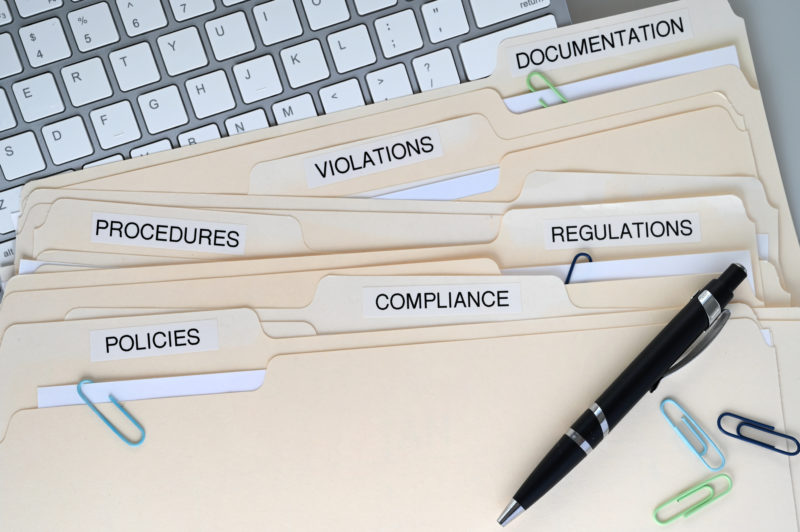
Another key factor when selling a business is ensuring compliance with all state, federal and local regulations. There are some key steps to take in this process. They include:
It’s also important to review state-specific requirements and federal laws during the sale process. Regulatory compliance is crucial, so review the legal requirements and industry regulations beforehand.
Analyzing historical trends within your industry can be important when selling a business. The most crucial steps to take include:
Trend analysis, including a review of financial trends, can be a solid aspect of selling a business. If you have a profitable business you want to sell in Arizona, reach out to a qualified Arizona business broker at Website Closers for direction and assistance.
A business valuation checklist is no longer just a pre-sale formality; it is a strategic diagnostic tool for the modern entrepreneur. As we navigate the economic landscape of 2026, the difference between a “median” multiple and a “premium” exit lies in your ability to prove that your business is an automated, tax-efficient, and scalable machine. By starting your preparation 18–24 months in advance and ticking off both the financial and technological boxes, you move from a position of “hope” to a position of “leverage.”
Ultimately, the goal of this checklist is to eliminate “deal friction.” When a buyer sees a perfectly organized data room and a business that operates independently of its owner, the conversation shifts from risk mitigation to growth opportunity. Use this checklist to build a business that isn’t just profitable, but truly “exit-ready.”
A checklist makes sense when you are required to get a business valuation for a specific purpose. While the sale of a company is one of the major reasons, other events can also necessitate a business valuation. State laws may trigger this requirement to sort out legal issues such as tax and legal disputes as well as damage cases.
Experts often apply multiple methodologies, such as discounted cash flow analysis or the use of EBITDA multiples, to arrive at a realistic and objective value.
The final figure is not a single, immutable truth. In fact, even investment banks can vary wildly in their assessments. These important aspects are part of the major contributors to a successful valuation:
A website’s value depends heavily on three key things:
Business owners often overlook non-financial documents in valuations. The following are often sidelined amid disorganized files:
What sellers don’t realize is omitting them would lead to due diligence delays. It also erodes trust that will result in offers, because from the buyer’s perspective, it looks like the seller is hiding liabilities.
Remember that with full disclosure, you can justify premium pricing while establishing transparency.


Thank you for your interest. We're happy to help in your acquisition search.
Please help us by providing an honest review. We focus on those that take the time to review our company.
Leave a Review