
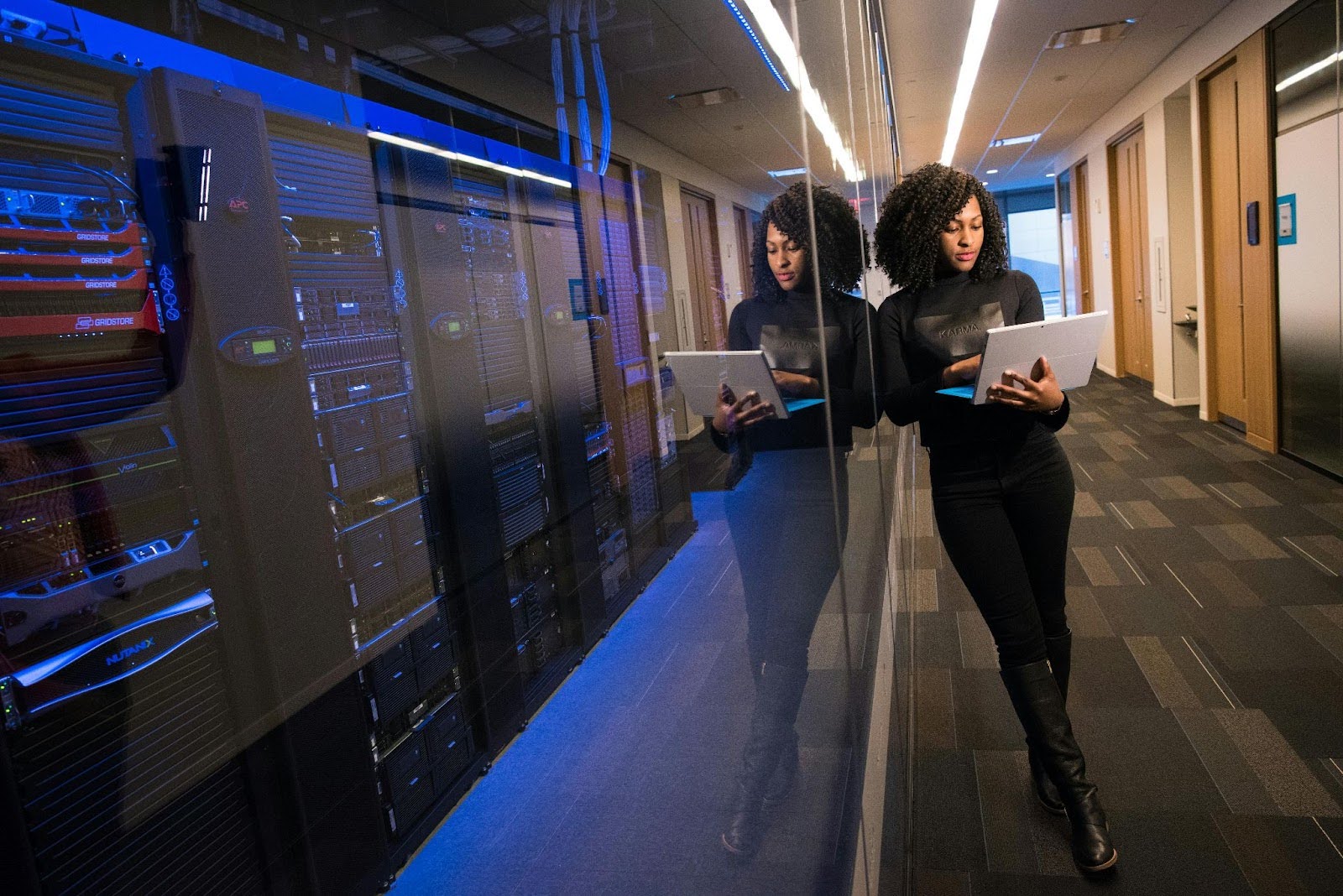
Many times, M&A transactions involve a mountain load of documents that need to be shared with potential buyers. So, how do you intend to put all these documents in one easily accessible way? The answer is a data room.

Data rooms come with all the security features, including encryption, firewalls, and backups, to make them confidential and secure. You can store valuable financial documents, legal contracts, and other sensitive business records, such as audit trails and reporting, in them. Nobody can access the information until you permit them and authenticate them for the same purpose.
| Security Feature | Purpose in M&A | 2026 Standard Requirement |
| AES-256 Encryption | Protects data at rest and in transit. | Bank-grade / Military-grade. |
| Dynamic Watermarking | Deters leaks by embedding viewer info (IP/Name). | Real-time, non-removable overlays. |
| Granular Permissions | Restricts actions (View, Print, Download, Edit). | Document-level or Page-level control. |
| Multi-Factor (MFA) | Prevents unauthorized login via stolen passwords. | Standard 2FA or Biometric integration. |
| Remote Shredding | Revokes access to downloaded files after the deal. | Digital Rights Management (DRM). |
| Audit Trails | Provides a legal record of every action taken. | Real-time logging with IP tracking. |
There are two kinds of data rooms: physical and virtual. Physical data rooms are the actual facility where you and the people with permission store and gain access to your documents. At the same time, a virtual data room is an online resource that allows for a well-protected document exchange. Due diligence virtual data rooms are significantly more popular compared to their physical options.
M&A data room is a virtual space that can be used appropriately by both sellers and buyers when dealing with mergers and acquisitions, financial transactions, due diligence, IPOs, fund-raising, and property deals, amongst others. The documents in these data rooms regarding the target company range from financial statements and customer lists through contracts to product details, market studies, and so on. That’s far more effective and handier than physical data rooms. Virtual data rooms streamline the M&A process, making it easier to prepare the deal and providing real-time collaboration capabilities between sellers and buyers.


Virtual data rooms are the best data rooms for M&A. These platforms enable safe due diligence during the closing process. Since such transactions typically involve an enormous amount of documents, many of which are confidential and sensitive, VDRs offer a trustworthy way for everyone concerned to access or share important files while negotiating. They also help store contracts and keep the necessary documents handy for continued business relationships, providing key benefits for all parties involved.
Data room management involves documenting organization strategies in such a way that they will be easily accessible for review. Following are some best practices you can try out in your data room:
While it may require some work on the front end, this setup will save you a lot of time later when you need to find what you need. You can also try out strategies such as communication protocols, access level configuration, and activity monitoring.

Selecting the best data rooms for your M&A transactions requires some key evaluation criteria, which will include looking out for each data room’s features and price. There are many popular providers in comparison to familiar platforms like SharePoint, Dropbox, or Google Drive.
Microsoft’s SharePoint will let you set up a data room where your sensitive information can be shared and managed in secure conditions.
Dropbox data rooms, on the other hand, have a free start, and Google Drive provides 15GB for an account if you need more space.
The evolution of the virtual data room has fundamentally leveled the playing field for sellers of eCommerce and traditional businesses alike. By centralizing a “mountain load” of documents into a secure, searchable, and auditable hub, you remove the friction that often kills momentum in complex transactions. A well-organized VDR does more than store files—it builds trust with buyers and signals that your business is a high-quality, “exit-ready” asset.
As you prepare for your next merger or acquisition, remember that the choice of VDR provider can directly impact your deal velocity. In 2026, the most successful sellers are those who use these platforms not just for security, but for the strategic insights provided by activity tracking and AI-driven indexing. By following these best practices, you can navigate the due diligence process with confidence, ensuring a faster close and a more successful transition for all parties involved.
Using an M&A data room adds more value and efficiency to your due diligence process during a business sale, capital raising, or mergers and acquisitions. Stay updated with future trends in virtual data rooms, as they can impact M&A efficiency. Contact WebsiteClosers.com for more guidance on the due diligence process.
Often referred to as an M&A data room, it is an online, secure environment where critical documents are stored, and due diligence is performed when buying and selling businesses.
Due diligence is essential in data rooms. It arranges all the key documents, including financial statements, contracts, and intellectual property, so that they can be easily accessed. This minimizes risks and ensures a smooth transaction process.
Virtual data rooms simplify M&A transactions by allowing real-time collaboration, secure document sharing, and organized file management. These features save time and simplify the often complicated nature of significant transactions.
When choosing a virtual data room, pay attention to its main features: encryption, user access controls, and ease of use. Make sure the provider can keep due diligence operations secure and efficient for M&A deals.


Thank you for your interest. We're happy to help in your acquisition search.
Please help us by providing an honest review. We focus on those that take the time to review our company.
Leave a Review
